3 Realtor® Website Mistakes That Are Costing You Leads
For years we’ve built top-performing Realtor® websites, and we gathered valuable insight on what works (and what does not) to engage visitors and convert them to leads.
It seems there’s always some new “All-In-One” website solution that promises everything; AI automations, lead-gen widgets, and complex MLS® IDX search tools. But having built websites for top-performing Realtors® and brokerages since 2009, and many high-converting SEO & PPC campaigns for the real estate sector, we have accumulated real, data-driven insight on what actually works — and what doesn’t!
Effort in the wrong direction or lacking strategy is a waste of resources, but also an opportunity killer. Every visitor you bored, and every lead you did not capture, became a competitor’s commission cheque.
The 3 Biggest Realtor® Website Mistakes That Are Costing You Leads
We see these mistakes too often. They seem like the right idea, and sound like a great solution, but they’re not!
01
More and more Lead-Gen Widgets
Piling on chat widgets and popups won’t help a dysfunctional website. Find the real bottleneck first.
02
Built for Realtors, not Clients
Designing to impress other agents—not your actual clients—quietly tanks engagement and leads.
03
Falling for Fake SEO Audit Scams
Scary-looking audit reports ignore the most important ranking factor, while charging you for fruitless tweaks.
3 Realtor® Website Mistakes That Are Costing You Leads
Mistake #1: Adding More Lead Gen Widgets, Forced Sign-Ups, and Contact Forms
More lead forms. More chat widgets. More call buttons, email buttons, and full-screen email capture popups. It sounds logical—more entry points should mean more leads, right? Nope. In fact, too much is too much
Imagine a different scenario: If your store is empty without shoppers strolling, would you open more checkout lanes hire more cashiers? Of course not. You’d step back to figure out how to get people in the doors.
The same logic applies to your website. Before layering on more conversion tools, identify the real bottleneck first:
- Is your website design outdated? Be honest with yourself – are you trying to milk a 7 year old website that makes you look like you’re struggling to pay your licensing fees?
- Is your content boring, text-heavy and hard to read?
- Is your navigation confusing or cluttered?
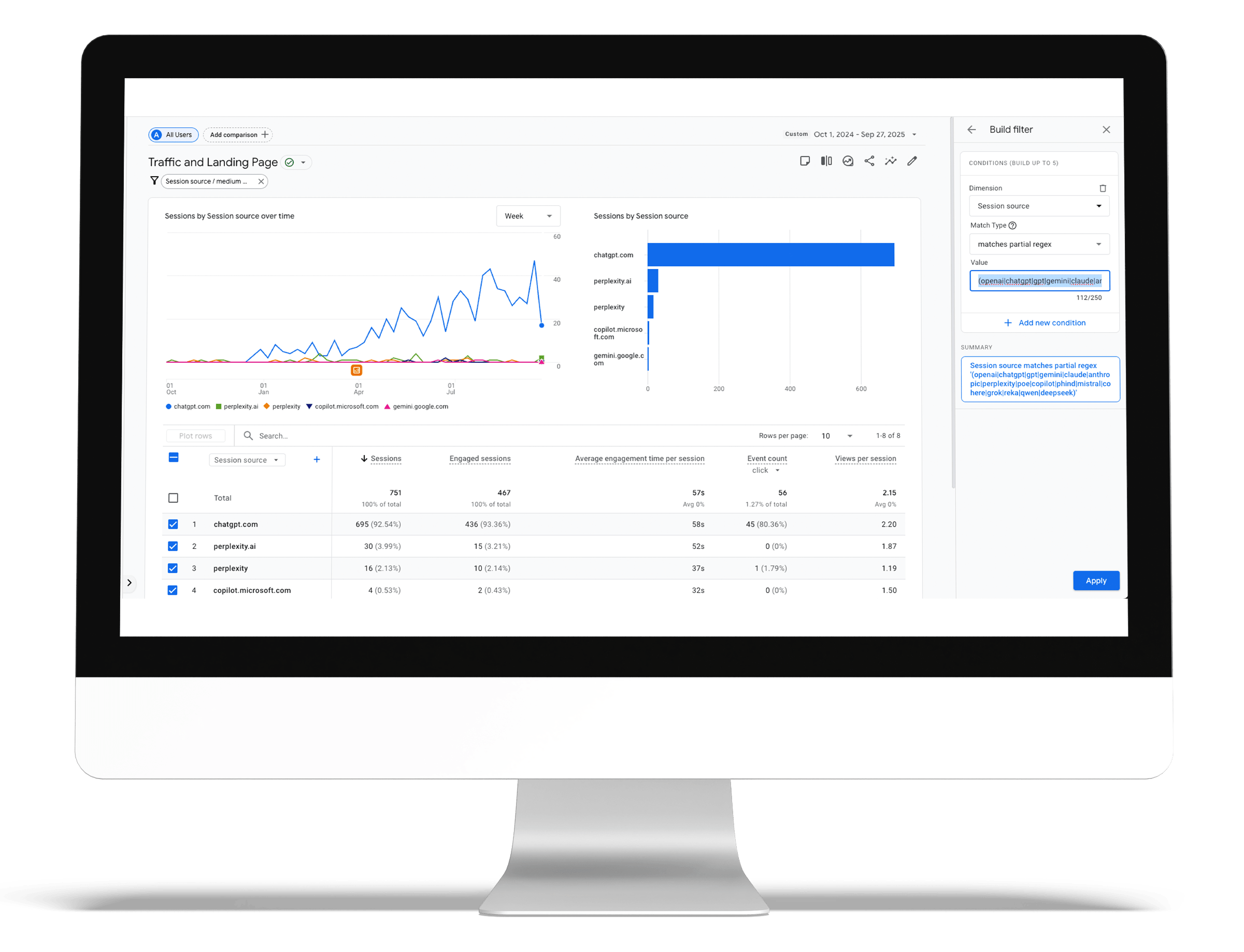
- How much traffic are you actually getting each month? What does your Google Analytics report tell you about your traffic, and which pages have higher engagement?
No amount of chat widgets will help if your website is poorly designed, badly coded, or starved of traffic due to weak SEO. A popup asking for an email address to see more information often backfires – learn why gated content on MLS® listings does not work.
What to Do Instead: Identify the Bottleneck And Fix It
Start with a real audit of your user experience. Is the issue engagement—are visitors bouncing before they connect with your brand? Custom-designed webpage modules tailored for real estate can dramatically improve how long visitors stay, and how much value and brand presence you convey to your potential buyers and sellers.
Or is the issue simply traffic volume? If you don’t have enough visitors, even the best-designed website won’t produce leads at scale, but act as a legitimacy tool and a referral convertor. In that case, a targeted PPC ad campaign may be the fastest path to visible results. A dedicated SEO campaign is a great investment for those in it for the long term, and want buyers and sellers leads from Google and AI queries.
Mistake #2: Designing to Impress Yourself and Other Realtors®, Not Your Buyers and Sellers
This mistake is not unique to real estate. Many small business owners dictate website designs from their own perspective, failing to see it from the customer’s point of view. The vicious cycle continues as a new(er) agent copies a successful competitor’s website in an attempt to emulate their success, without knowing if the website is impactful or not. In the end, many agents mistakenly design websites that impress other Realtors®, not buyers and sellers.
Here’s what doesn’t work:
- Long, meandering agent bios that read like a novel that nobody will read.
- Walls of text about your “buying process” or “selling strategy” in fine print
- Full-length testimonials that look like a Tolstoy novel excerpt
- That generic, text-heavy, poorly branded “Home Sellers Guide PDF” you bought from Etsy
- Subpage after subpage added without design strategy—that only adds to the clutter, not engagement
Adding content without a design and engagement strategy doesn’t make your website more valuable. It clutters your navigation, dilutes your brand, and drives visitors away—resulting in lower pageviews, less time on site, and ultimately fewer leads, while wasting hours of your time. That’s why, despite the rise of cheap and easy DIY AI-powered website builders, boutique agencies like us continue to thrive.
What to Do Instead: Be Client-Centric, Not Ego-Centric
The goal of your website is to make a buyer or seller feel like you understand them—not to impress other real estate agents. Storytelling designs, thoughtfully placed animations, visually compelling neighbourhood features, and strategically curated content are what actually convert visitors into clients.
For real inspiration, look at how we’ve rebuilt agent brands around compelling storytelling instead of self-promotion:
- Stunning Website Design for The Esposito Real Estate Team in Edmonton, AB (Century 21)
- North Shore Real Estate Team Rebrand, Website Design & Stationery/Print Media
- Lance Phillips Prem Team’s Full Rebrand With Storytelling Website Design
We have proof of what actually works. Explore what real estate website design features actually improved visitor engagement, proven by Google Analytics metrics.
Mistake #3: Falling for Scary-Looking SEO Audit Reports From Unqualified Contractors
You’ve probably received one of these cold emails—or seen the ads. Somebody with a generic @gmail account performs a scan or audit of your website, and sends back a report full of red flags, warning scores, and urgent-sounding technical issues. It looks authentic because they throw jargon around with charts and graphs. It feels alarming because it’s full of low scores in the colour red. And that’s exactly what they’re after.
Here’s what these reports won’t tell you: they only measure technical SEO factors, while completely ignoring the biggest ranking signal of all—content.
Why Technical-Only SEO Audits Miss the Point
- Yes, website engineering matters—but only in combination with quality content. A technically perfect website with poor content will not rank high. It’s useful if referrals look up your name, still.
- Google evaluates content quality first and foremost. As long as your site loads reasonably quickly for visitors, minor improvements to page speed scores have very little impact on ranking.
- Spending money for micro tweaks and technical improvements without a content-first strategy is like taking protein supplements without any physical training; a total waste.
- Worse, sketchy SEO contractors can actively harm your website’s reputation through black-hat link building or spammy tactics. Read more about how to spot and avoid these common SEO scams.
What to Do Instead: Start With Content As Your Core SEO and AI Visibility Strategy
If you want better rankings on Google and more visibility in AI search results, content is your most powerful lever. Here’s where to focus:
- Listing descriptions & meta titles: Beef up your listing copy, improve image alt text, and write descriptive meta titles. Our DIY SEO guide for REALTORS® walks you through it.
- Blogging: One of the most effective long-term strategies for building organic traffic and establishing authority. Learn how to blog strategically for your real estate website.
- Creative MLS® IDX usage: Our custom-coded IDX pages have earned 1st-page rankings and AI visibility for clients. See how creative IDX strategies drive niche domination.
- Neighbourhood & community pages: Properly built neighbourhood features can have an incredible impact on local SEO. Learn how neighbourhood pages generate targeted leads.
- Dedicated SEO management: For busy agents who don’t have time to learn high-level SEO strategy, our dedicated SEO services handle it all.
Your Website Should Work for Your Clients—Not Just Look Impressive to Your Peers
Think about how you feel when a homeowner insists they can sell their own home without a REALTOR®—confident in their instincts, unaware of what they don’t know. The same dynamic plays out when agents try to dictate their own website structure, design, and SEO strategy without professional guidance. Good intentions can’t replace expertise. The result is often wasted time, wasted budget, and a website that quietly works against you.
The good news: all three of these mistakes are fixable. And the sooner you identify which ones apply to your website, the sooner you can start getting real results.
Why Boutique Agencies Like Brixwork Thrive In The Face Of Cheap DIY Website Builders
Website builders with AI-powered code production are becoming more available and affordable. Despite all that, agencies like ours thrive, because it’s not about producing HTML code; it’s about strategic design that helps you stand out against the crowd, and emotionally engage your target audience.
At Brixwork, we’ve spent years helping REALTORS® and brokerages build websites that actually perform—not just let you put in whatever you want. Whether you need a full redesign, a smarter content strategy, or a targeted PPC campaign that generates real leads, we’re ready to dig in. Reach out to our team today and let’s build something that works.